



Ideal Standard
“By rigid and accurate tests combined with the use of the best materials and manufacturing methods, we are able to ensure the highest standard” – Ideal Standard Heating Appliances Manual (1967)
The History of Ideal Standard
Who Was Ideal Standard?
Ideal Standard’s origins date back to 1929, when the American Radiator Company merged with Standard Sanitary, combining their expertise in heating and bathroom products. This partnership led to the creation of the American Radiator and Standard Sanitary Corporation, later rebranded as American Standard.
By 1961, the company’s European subsidiaries unified under the Ideal Standard name, which we know today. The British National Radiator Company, which became Ideal Boilers and Radiators in the 1930s, followed suit and adopted the Ideal Standard name along with the rest of American Standard’s European operations.
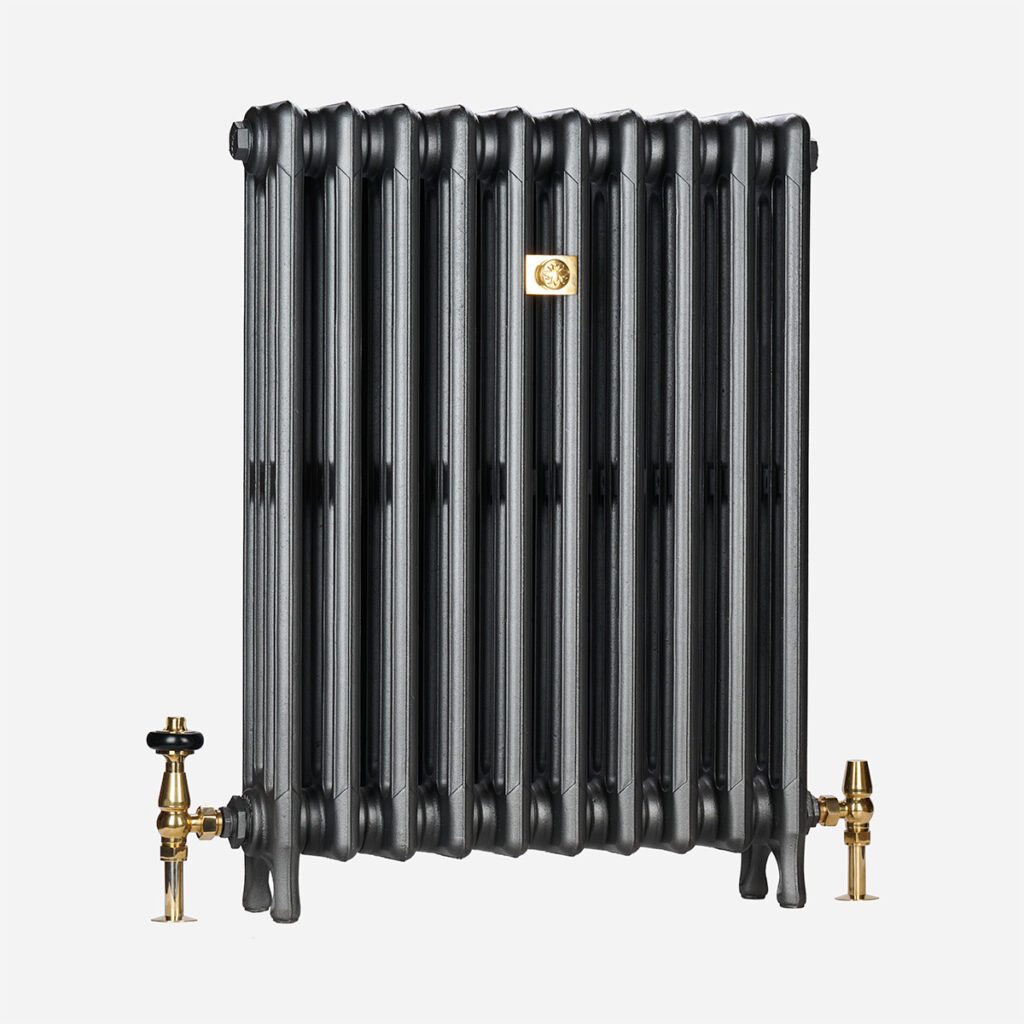
They continued the production of Britain’s most popular cast iron radiator of all time, the Neo Classic, a model originally designed by the National Radiator Company.

Ideal's European Subsidiaries
In 1949, the French branch of the National Radiator Company became ‘Idéal Standard,’ followed by the German branch in 1951, renamed ‘Ideal Standard GmbH.’ The 1960s saw Ideal Standard GmbH thrive during Germany’s economic boom, with expanded operations in Wittlich for radiators and Waldbröl and Berlin for boilers.
However, by the late 60s, focus shifted, and the company eventually exited the heating sector in the mid-1970s as these production sites closed.
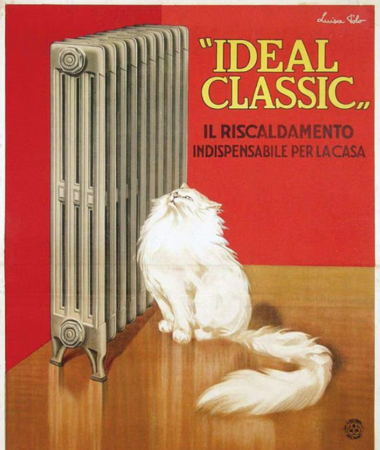
Identifying an Ideal Standard Radiator
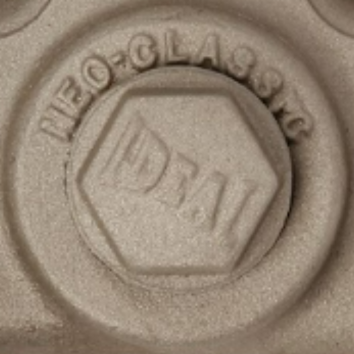
Since Ideal Standard evolved from the European National Radiator Companies (originally part of the American Radiator Company), their radiators share many characteristics. Certain models do have a key distinguishing feature; for example, the Neo Classic usually has its name cast in the leg section above the bottom bush.
However, identifying an Ideal Standard radiator can be difficult without model-specific details. One possible clue is the ‘Ideal’ bush end, a feature carried over from the National Radiator Company days. Nevertheless, as bush ends could be fitted to other radiators, this feature is not always a definitive identifier.